
Getting Married in Washington, District of Columbia
From the National Mall to Georgetown rowhouses, Washington DC offers iconic backdrops for every kind of love story.
Overview

Washington DC is one of the most architecturally dramatic wedding cities in the United States, and couples who choose to marry here often discover that the setting does a lot of the heavy lifting. The city is dense with historic buildings, neoclassical facades, manicured gardens, and waterfront promenades that give even a modest wedding the visual weight of something much larger. Unlike a beach destination or a mountain resort town, DC functions as both a destination wedding city for out-of-town couples and a deeply local market for the enormous population of residents spread across the District and its Maryland and Virginia suburbs. That dual identity means the vendor pool is exceptionally large and competitive, but it also means popular dates fill up fast.
What surprises most couples planning a DC wedding is the sheer range of venue categories available within a single compact city. You can have a ceremony steps from a reflecting pool and a reception inside a converted carriage house on the same evening without anyone leaving a two-mile radius. The city also has a strong culture of formality, which influences everything from invitation etiquette to the expectations guests bring with them. Couples relocating to DC for work sometimes underestimate how socially networked the local vendor community is, which is actually good news: florists, planners, and photographers here tend to have strong referral relationships, so finding one good vendor often leads you to an entire trusted team.
What a Wedding Costs in Washington

Average Wedding Cost
$28,000 to $65,000
Estimated all-in cost for a typical wedding in Washington.
Budget
Under $15,000 in Washington DC is genuinely tight given the cost of living and vendor pricing in the region, but it is achievable with deliberate choices. At this level, couples typically work with a smaller guest list of 30 to 50 people, choose a restaurant private dining room or a community arts space rather than a dedicated event venue, and lean on a cocktail-style reception rather than a plated dinner to reduce per-head catering costs. Photography at this tier will come from newer photographers building their portfolios, and couples often handle their own florals using wholesale market flowers. A civil ceremony at the DC Superior Court Marriage Bureau or a short ceremony at a public park can keep the ceremony cost near zero, which frees up more of the budget for food and drink.
Mid-Range
The $15,000 to $40,000 range is where the majority of DC weddings land, and it covers a meaningful variety of experiences. A guest count of 75 to 125 people is realistic at this tier, with venue options expanding to include rooftop spaces, historic rowhouses, garden estates in the near suburbs, and boutique hotel event rooms. Couples in this range can typically afford a full-service caterer offering a buffet or stations-style meal, a photographer with a strong professional portfolio, a DJ or small band, and modest professional florals. A day-of coordinator, which DC planners strongly recommend given the city's traffic complexity, fits comfortably into this budget without crowding out other vendors.
Luxury
At $40,000 and above, Washington DC weddings expand into the city's most recognizable architectural and institutional spaces. Guest counts of 150 to 300 or more become manageable, and couples gain access to grand ballrooms, embassy event spaces, private clubs, museum galleries, and restored historic properties that charge significant site fees before catering is even calculated. At this level, full-service catering with plated multi-course dinners, a live band, a dedicated full-planning coordinator, custom floral installations, and professional lighting design are all standard expectations. Luxury DC weddings frequently involve weekend-long programming including welcome dinners and post-wedding brunches, which is something the city's concentration of hotels and restaurants handles exceptionally well.
Best Time to Get Married in Washington

The most celebrated wedding months in DC are May, June, September, and October, and they fill up for good reason. Spring brings cherry blossoms and mild temperatures in the low 70s, though the blossoms themselves peak for only about two weeks in late March to early April, which is earlier than most couples expect. By May the blooms are gone but the gardens are lush and the heat has not yet arrived. Fall is widely considered the local sweet spot: September and October offer clear skies, lower humidity than summer, and the beginning of foliage color that gives outdoor portraits a warmth that no other season can replicate.
Summer weddings in DC require honest planning. July and August average temperatures in the low 90s with humidity that makes it feel closer to 100 degrees, and outdoor ceremonies during those months demand substantial shade, misting fans, or a very short time in direct sun. Many experienced local planners will quietly steer summer couples toward indoor venues or early-evening ceremony start times to avoid the worst of the afternoon heat. Winter weddings from December through February are genuinely underutilized in this market, which translates directly to lower venue pricing and better vendor availability. A light snow on the National Mall or in a historic garden is genuinely stunning, and couples who are flexible about their aesthetic can find exceptional value in a season that most people skip.
Venue Types in Washington

Washington DC's venue landscape is shaped almost entirely by its history and its urban density. The city has an unusually high concentration of historic properties, including converted carriage houses, 19th-century mansion estates, private clubs built in the Gilded Age, and neoclassical institutional buildings with soaring columns and marble interiors. Embassy-affiliated event spaces exist in a category all their own and offer a glamour that is unique to DC among American cities. Rooftop venues are popular across the city's newer mixed-use neighborhoods, offering ceremony and reception space with views of monuments or the Potomac, and boutique hotels throughout Capitol Hill, Georgetown, and the Navy Yard neighborhoods have invested heavily in competitive event spaces over the past decade.
What DC lacks compared to surrounding states is the barn and vineyard venue category. There are no working farms or rural wedding barns within the District itself, and couples who specifically want that aesthetic typically look 45 to 90 minutes out into Virginia's hunt country or Maryland's rural counties rather than planning a city wedding. Urban green spaces, including the city's many parks and garden terraces, are available for ceremony use but require permits through the National Park Service or DC Parks and Recreation, and the permitting process has specific rules about amplified sound, tent structures, and guest count that couples should research early. Indoor venues, as a result, dominate the DC wedding market in a way that outdoor-first markets in warmer or drier climates do not.
Planning Timeline for Washington

Washington DC is a high-demand wedding market, and the planning timeline here is closer to a major destination city than a mid-size regional one. For a Saturday wedding at a sought-after venue in May, September, or October, couples should expect to begin their search 14 to 18 months in advance, and even then some of the most popular spaces will already have limited availability. Photographers and live bands with strong reputations tend to book up just as quickly as venues, so those categories should be locked in within the first month or two after securing a date. Couples working with a shorter runway of 9 to 12 months will have the most success with Friday evening or Sunday weddings, winter dates, or venues that are newer to the market and still building their booking calendars. Working with a local day-of coordinator or full planner early in the process is especially valuable in DC because planners often have advance knowledge of venue availability that is not publicly listed.
Marriage License Requirements in District of Columbia
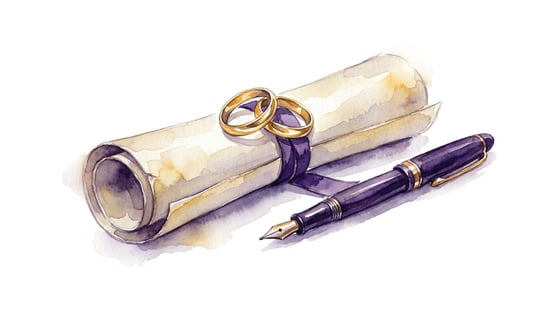
To get married in Washington DC, you will apply for your marriage license through the DC Superior Court Marriage Bureau, either in person or online. Both parties need to be at least 18 years old and must present a valid government-issued photo ID. The license fee is $45, there is no waiting period after the license is issued, and unusually, the DC marriage license does not expire once it has been issued, which gives couples genuine flexibility in scheduling their ceremony. If you apply online, you will still need to arrange for in-person pickup or follow the court's current instructions for finalizing the license. No residency in the District is required, which makes the process straightforward for out-of-state couples planning a destination wedding in DC.
Marriage license requirements change. Confirm the current requirements with the DC Superior Court Marriage Bureau before applying.
Local Tips Couples Wish They Knew
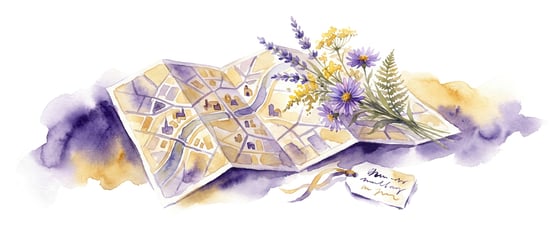
DC's traffic patterns are one of the most consistently underestimated logistical factors in wedding planning here. The city operates on a grid interrupted by diagonal avenues, traffic circles, and event-driven road closures that can appear with little warning when a state funeral, a major protest, or a diplomatic motorcade is scheduled. Couples should build at least 30 extra minutes into every transportation timeline and talk honestly with their transportation vendor about contingency routing. If your venue is near the National Mall or Embassy Row, give your guests a heads-up to allow extra travel time, and consider including a note in your wedding website about parking limitations because street parking near most DC venues is genuinely scarce.
One thing many couples discover too late is that outdoor ceremonies in DC's public parks and on federal land require permits that can take weeks to process and come with strict rules about amplified sound, guest count caps, and approved timeframes. The National Park Service manages a significant portion of the city's green spaces including the Mall, the Ellipse, and Rock Creek Park, and their permit office has its own timeline and fee structure separate from anything your venue or planner handles. Couples who want an outdoor public-space ceremony should start the permit inquiry at least three to four months in advance and have a clear indoor backup plan for the day, because weather in DC can shift quickly in spring and fall and the city does not issue rain date permits.
Frequently Asked Questions

Venues
Find Wedding Venues in Washington
Vendors
Find Wedding Vendors in Washington
Get Started
Start Planning Your Washington Wedding