
Getting Married in Big Island, Hawaii
From lava fields to lush rainforests, the Big Island offers couples a truly one-of-a-kind backdrop.
Overview
The Big Island of Hawaii is unlike any other wedding destination in the world, and that is not hyperbole. It is the only place on earth where you can marry within sight of an active volcano, on a black sand beach, beneath a waterfall in a rainforest, or on a sun-drenched Kohala Coast bluff overlooking the Pacific. The island's sheer geographic diversity means that couples are not choosing between a few interchangeable resort lawns. They are choosing between entirely different worlds, each with its own light, vegetation, and mood. That variety is the first thing couples fall in love with, and it is also the first thing that surprises them: the Big Island is enormous, roughly the size of Connecticut, so the western Kohala and Kona coasts and the eastern Hilo side operate as distinctly different wedding markets with different vendor pools, weather patterns, and venue styles.
The wedding market here is deeply destination-wedding oriented. Most couples marrying on the Big Island are flying in from the mainland United States, Canada, Japan, and Australia, which means the local vendor community is experienced at coordinating across time zones and accommodating guests who are also on vacation. What couples are often surprised to discover is that the island's vendor ecosystem, while talented and well-practiced, is more intimate than Maui or Oahu. There are fewer vendors competing for the same dates, which means booking early is not just a recommendation but a genuine necessity. The upside is that the vendor relationships here tend to be collaborative and warm, and local planners, photographers, and officiants often know one another well, which can make the logistical side of a multi-vendor wedding run more smoothly than couples expect.
What a Wedding Costs in Big Island

Average Wedding Cost
$18,000 to $55,000
Estimated all-in cost for a typical wedding in Big Island.
Budget
Under $15,000 on the Big Island is achievable but requires intentional choices. At this level, most couples work with an intimate guest list of 20 or fewer people and choose a permitted beach ceremony or a simple garden setting rather than a full resort venue. Elopement packages offered by local officiants and small photography teams can cover ceremony coordination, floral lei, and two to three hours of photography in a single bundled price, often between $2,500 and $5,000 for the core package. Catering at this budget typically means a private dinner at a local restaurant for the small group afterward rather than a formal reception. Couples at this tier often forgo a planner, which works if they are detail-oriented and understand that coordinating vendors across time zones from the mainland adds real effort.
Mid-Range
The $15,000 to $40,000 range is where the majority of destination weddings on the Big Island land, and it opens up significantly more options. Couples in this tier can typically host 30 to 80 guests, book a dedicated ceremony space at a resort, private estate, or curated outdoor venue, and hire a full roster of vendors including a coordinator, photographer, videographer, floral designer, and officiant. Catering at this level might take the form of a cocktail-style reception or a plated dinner through a resort's catering team, with the venue fee and food and beverage minimum often being the single largest line item. Hawaiian cultural elements, such as a hula performer, a slack-key guitarist, or a traditional Hawaiian blessing from a kahu, are very much within reach at this budget and are among the most memorable additions couples make.
Luxury
At $40,000 and above, the Big Island delivers genuinely world-class experiences. Luxury weddings here often take place at private oceanfront estates, exclusive resort event lawns, or extraordinary natural settings with full infrastructure brought in. Guest counts can reach 100 to 200 or more, with multi-course catered dinners, custom floral installations featuring local tropical blooms like protea, heliconia, and orchids, and premium photography and videography teams. Couples at this tier typically work with a full-service wedding planner who handles everything from guest room blocks to inter-island transportation. Helicopter arrivals or sunset boat excursions for the wedding party, fire knife dancers, and bespoke cultural ceremonies are not unusual additions. The Big Island's luxury market is genuinely competitive with Maui at this level, and the relative scarcity of luxury venues compared to more built-up islands means they command strong prices.
Best Time to Get Married in Big Island

The Big Island's weather story is more complicated than most tropical destinations, and understanding it can save you from an unpleasant surprise on your wedding day. The island has eleven of the world's thirteen climate zones, so the west side and the east side behave almost nothing alike. The Kohala and Kona coasts on the western shore are the sweet spot for outdoor ceremonies: sunny, dry, and breezy, with very low rainfall year-round. The Hilo side and the Hamakua Coast on the east are lush and green precisely because they receive enormous amounts of rain, sometimes daily. If your heart is set on a ceremony at a waterfall or in a botanical garden on the windward side, build a rain plan into your contract from day one.
For the dry, coastal west side, the ideal months run from April through early June and again from September through November. These shoulder seasons offer calmer trade winds, lower humidity, and noticeably more availability from venues and vendors compared to the peak months of December through February and the summer window of late June through August. Peak season brings higher base prices across most categories and reduced flexibility in vendor scheduling. Summer weddings on the Kohala Coast are reliably beautiful but can feel intensely hot during midday, so experienced local planners almost universally recommend ceremony start times of four in the afternoon or later to catch the golden hour light and avoid the worst of the heat. Winter weddings are popular with mainland couples escaping cold weather, and December in particular books up faster than any other month on the island.
Venue Types in Big Island

The Big Island's venue landscape is shaped entirely by its geography, and the most abundant category by far is the outdoor natural setting: oceanfront bluffs, lava rock coastlines, resort event lawns, private agricultural estates in the upcountry Waimea area, and botanical garden grounds on the Hilo side. The dry Kohala Coast, which stretches along the northwest, is home to a cluster of large luxury resorts that have purpose-built outdoor ceremony spaces with unobstructed ocean views, making them a dominant force in the destination wedding market. These resort properties often function as one-stop-shop venues where ceremony, cocktail hour, reception, and guest accommodation all happen in the same place, which is a significant logistical convenience for guests flying in from far away.
Beyond the resorts, the island has a meaningful supply of private estate venues, particularly in the ranch and farm country around Waimea and the South Kohala foothills, where rolling green pastures meet dramatic mountain backdrops. These settings feel more secluded and personal than resort lawns, and they attract couples who want a more intimate or bohemian aesthetic. What is genuinely scarce on the Big Island compared to the mainland is the traditional indoor ballroom or historic mansion venue. The culture here leans heavily outdoor, and couples who need a fully enclosed, climate-controlled reception space will find fewer options than they might expect. Black sand beach ceremonies are a uniquely Big Island experience, but they require advance planning around permitted access and are best suited for smaller, more intimate ceremonies rather than large receptions.
Planning Timeline for Big Island

For most destination weddings on the Big Island, an 18-month lead time is the realistic starting point if you want genuine choice, especially for the Kohala and Kona coasts during peak season months. The most coveted oceanfront ceremony locations and private estate venues regularly book out 12 to 18 months in advance, and the best-regarded photographers and planners on the island often reach capacity even sooner. If your date falls in December, January, or July, add an extra buffer and treat vendor outreach as one of your first post-engagement tasks rather than something to get to after other decisions are made. Couples working with a shorter runway of 9 to 12 months can still pull together a beautiful wedding, but they should expect less flexibility in venue choice and may need to be open to weekday ceremonies, which the island actually handles well given that most guests are already in vacation mode. Elopements and micro-weddings under 20 guests can often be arranged in as little as three to six months, since they require fewer moving parts and can work with more nimble vendor teams.
Marriage License Requirements in Hawaii
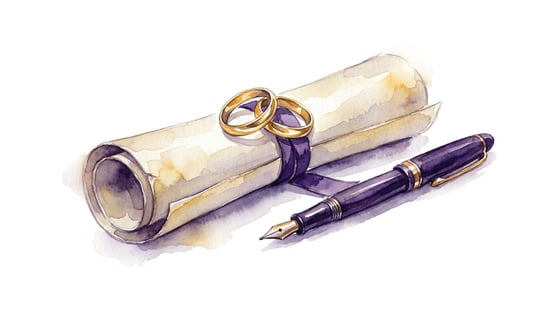
Getting married in Hawaii requires a marriage license issued through the Hawaii Department of Health, and the process is refreshingly straightforward for destination couples. You can apply online through the Department of Health's system, which means you do not need to appear in person before your wedding trip. There is no waiting period after the license is issued, so it is valid from the moment you receive it, and it remains valid for 30 days from the date of issuance. The fee is $65, and both applicants must be at least 18 years old. You will need a valid government-issued photo ID, and there is no Hawaii residency requirement, which is exactly what makes this process so accessible for mainland and international couples. Make sure your license is issued no more than 30 days before your ceremony date, and confirm with your officiant that they are a person authorized to solemnize marriages in Hawaii, as the signed license must be returned to the Department of Health after the ceremony.
Marriage license requirements change. Confirm the current requirements with the Department of Health before applying.
Local Tips Couples Wish They Knew
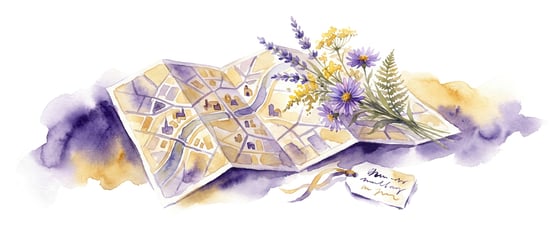
One thing that catches many destination couples off guard is the sheer driving distance between points on the Big Island. The airport most visitors fly into on the west side sits roughly an hour's drive from the northern Kohala resorts and well over two hours from Hilo on the east side. This matters enormously for vendor logistics: a photographer based in Hilo who travels to a Kohala Coast venue will typically add a travel fee, and those costs can add up across multiple vendors. When you are building your vendor team, ask specifically where each vendor is based and factor in travel time when scheduling your timeline. A ceremony starting at four in the afternoon on the Kohala Coast means your photographer left home at noon.
Outdoor ceremonies on state and county land, including most beaches, require a permit, and those permits are not always straightforward to obtain. Processing times and requirements can vary, so couples planning a beach ceremony should work with a local planner or officiant who has direct experience navigating the permit process for their specific location. Trade winds are another local reality worth understanding. The afternoon breeze on the Kohala Coast is one of the reasons the weather feels so pleasant, but it can be strong enough to knock over floral arrangements, send veils horizontal, and make it difficult for guests to hear vows without a sound system. Experienced local vendors factor this into their setup, but couples who skip professional sound equipment for an outdoor ceremony often regret it. Ask your venue coordinator what wind conditions typically look like at your specific ceremony time and location, not just in general.
Frequently Asked Questions

Venues
Find Wedding Venues in Big Island
Vendors
Find Wedding Vendors in Big Island
Get Started
Start Planning Your Big Island Wedding