
Getting Married in Honolulu, Hawaii
Where turquoise water, tropical blooms, and year-round warmth make every wedding feel like a fantasy come true.
Overview
Honolulu is one of the most sought-after wedding destinations on the planet, and for good reason. The city sits on the southern shore of Oahu and offers a combination that is genuinely hard to replicate anywhere else: calm Pacific waters, dramatic volcanic ridgelines, lush tropical foliage, and a rich Native Hawaiian cultural tradition that can be woven meaningfully into your ceremony. What sets Honolulu apart from other beach wedding destinations is the layered landscape. Within a short drive of downtown, couples can choose between white sand beaches, verdant valley floors, oceanfront cliffs, and manicured resort grounds. That variety means you are not locked into one aesthetic.
Honolulu is both a destination wedding city and a thriving local market, which creates an interesting dynamic for couples planning here. Mainland and international couples account for a significant portion of weddings, so vendors are highly experienced with long-distance clients and virtual consultations. At the same time, the local Oahu wedding community is deeply rooted, with vendors who understand the rhythms of the island, from which beaches get crowded on which days to how to build a ceremony around a Hawaiian sunset that hits the horizon at exactly the right moment. What surprises many couples is how competitive the top vendor tier is. Because Honolulu attracts weddings from across the world, the best photographers, florists, and coordinators book up far faster than couples expect, especially for weekend dates between November and April.
What a Wedding Costs in Honolulu

Average Wedding Cost
$22,000 to $65,000
Estimated all-in cost for a typical wedding in Honolulu.
Budget
Under $15,000 in Honolulu is achievable but requires creative prioritization. At this level, most couples lean into a micro-wedding or elopement format with a guest list of 20 or fewer. A small ceremony on a public beach with a permit, a solo officiant who also handles coordination, and a simple flower lei ceremony instead of a full floral design keeps costs manageable. Photography is typically from a talented emerging photographer rather than a studio with a full team. Catering at this budget is usually a private dinner at a local restaurant reserved for your group rather than event catering. Couples who make this work are those who deprioritize a traditional reception and focus their spending on a meaningful ceremony location and great photography.
Mid-Range
Between $15,000 and $40,000, couples gain access to the full range of Honolulu's wedding experience. This budget comfortably covers a guest list of 40 to 80 people, a semi-private garden or oceanfront lawn venue, a local catering team handling a seated or buffet-style meal, and a professional photographer with a second shooter. At the lower end of this range, couples often forgo a live band in favor of a DJ or curated playlist setup. Florals are present but focused, with a bridal bouquet, ceremony arch, and simple centerpieces rather than lavish installations. A local day-of coordinator, which is practically essential for outdoor Hawaii weddings, fits comfortably into this tier.
Luxury
At $40,000 and above, Honolulu weddings become truly immersive experiences. This is the tier where resort ballrooms and exclusive oceanfront event spaces come into play, along with full-service wedding planners who handle everything from vendor sourcing to day-of logistics. Guest counts can scale to 100 and beyond. Catering moves into plated multi-course dinners with craft cocktail service, and florals can include dramatic tropical installations using anthuriums, birds of paradise, and orchid cascades that are grown locally on Oahu or flown in from the Big Island. Live Hawaiian music featuring slack-key guitar or a full hula performance, premium videography, custom stationery, and transportation shuttles for guests all comfortably fit at this level. Many couples in this tier also add a rehearsal dinner or post-wedding brunch as a separate hosted event.
Best Time to Get Married in Honolulu

Hawaii has one of the most forgiving climates for outdoor weddings in the United States, but that does not mean every month is equally ideal. Honolulu's two loose seasons are the drier summer months of May through October and the wetter winter months of November through April. Even in the wetter season, rain typically comes in short, localized bursts rather than all-day downpours, and trade winds keep temperatures comfortable year-round between roughly 75 and 88 degrees Fahrenheit. The sweet spot for outdoor ceremonies is late April through early June, when the wet season has wound down, trade winds are steady, and the peak tourist crush of July and August has not yet arrived. Sunset on the south shore of Oahu falls between roughly 5:45 p.m. in winter and 7:15 p.m. in summer, so summer dates give you a later golden hour and more flexibility in your timeline.
Peak booking season for Honolulu weddings runs from November through March, driven in part by couples from cold-weather states and Japan who want a warm winter escape. This means venue and vendor availability tightens considerably for those months, and pricing often reflects the demand. If your priority is cost savings and you are flexible, a weekday wedding in September or early October offers genuine value: the weather is still reliably dry, crowds thin out after Labor Day, and some venues and accommodations offer lower rates. One thing locals know that newcomers often miss is that the Kona wind pattern, which occasionally replaces the usual northeast trades, brings hazy, humid air and warmer nights. Kona wind days are unpredictable, but if you are planning an outdoor evening reception, building a light shade or tent option into your contingency plan is wise regardless of the season.
Venue Types in Honolulu
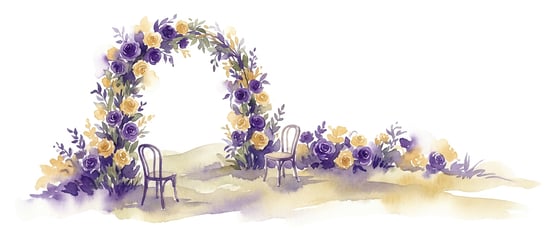
Honolulu's venue landscape is defined by its outdoor and semi-outdoor options far more than by traditional indoor ballrooms, although those exist too. The most iconic settings are oceanfront lawns and beach-adjacent ceremony spots, ranging from the wide sandy stretches of the south shore to more intimate coves on the eastern and western ends of Oahu. Resort properties are a major category here, many of which offer dedicated wedding lawn areas with ocean backdrops and on-site catering teams, making them a convenient all-in-one option for destination couples who want fewer moving parts. Historic estates and plantation-era properties appear in both urban Honolulu neighborhoods and the windward side of the island, offering lush tropical garden settings with a sense of old Hawaii. Botanical gardens are another popular category, and Oahu has several extraordinary ones where ceremonies take place beneath towering banyan trees or within manicured tropical collections.
What is comparatively scarce in Honolulu is the rustic barn or vineyard aesthetic that dominates wedding content in other parts of the country. There are no wine country regions on Oahu, and barn-style venues are rare. The market also has limited inventory of fully private, buyout-style indoor venues outside of hotel properties, so couples who want an intimate indoor space with full exclusivity may need to look more carefully. Rooftop venues do exist in the urban core and in Waikiki, offering skyline and Diamond Head views that are genuinely dramatic, particularly for evening receptions. For couples drawn to a ceremony on the beach itself rather than a lawn adjacent to it, working directly with a permit-authorized coordination service is the most common path, since most of the shoreline is publicly managed.
Planning Timeline for Honolulu
For a Saturday wedding at a popular Honolulu venue during peak season, 16 to 18 months of lead time is not excessive, and many of the most sought-after venues on Oahu are booked 12 to 14 months in advance as a baseline. If you are planning a destination wedding from the mainland or abroad, add an extra buffer because you will be coordinating across time zones and likely cannot do as many in-person walkthroughs as a local couple. Your venue and photographer should be secured first, as those two categories fill fastest. A local wedding coordinator who specializes in Hawaii weddings is worth hiring early even if you plan to handle much of the planning yourself, because they can flag permit requirements for public land ceremonies, navigate resort vendor-approved lists, and alert you to local logistics you would not know to ask about. Couples planning a smaller elopement or micro-wedding have more flexibility and can often pull together a beautiful ceremony in as little as three to four months if they are decisive.
Marriage License Requirements in Hawaii
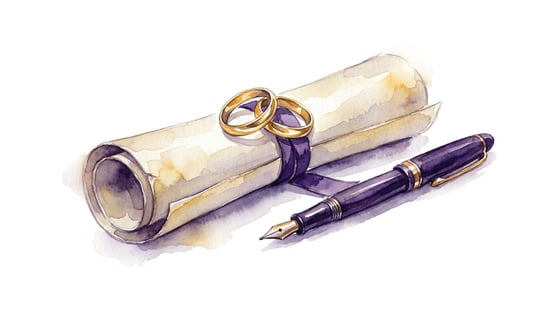
Getting married in Hawaii is refreshingly straightforward from a legal standpoint. The state has no residency requirement, so any couple, regardless of where they live, can apply. There is no waiting period once you receive your license, and it remains valid for 30 days from the date of issue. The fee is $65. You can apply online through Hawaii's Department of Health or visit an authorized marriage license agent in person on Oahu. Both applicants must be at least 18 years old and will need a valid government-issued photo ID. Once issued, the license must be used within 30 days, so time your application to land a week or two before your ceremony date rather than months ahead. After the ceremony, your officiant is responsible for signing and returning the license to complete the official record.
Marriage license requirements change. Confirm the current requirements with the Department of Health before applying.
Local Tips Couples Wish They Knew
One thing that surprises nearly every out-of-town couple is how serious Oahu's traffic can be, particularly on the H-1 freeway during afternoon hours. If your ceremony is scheduled for late afternoon, which is ideal for golden hour photography, your guests may be commuting from hotels in Waikiki to a venue on the east or west side of the island. Building a 30 to 45 minute buffer into your guest arrival window is not overly cautious, and providing a shuttle service from a central Waikiki pickup point is a genuine act of kindness that also keeps your timeline on track. Many coordinators on the island will tell you that starting the ceremony five to ten minutes late is the cultural norm, and building that into your schedule from the beginning reduces stress considerably.
If you plan to incorporate any elements of Native Hawaiian culture into your ceremony, such as a conch shell blessing, a traditional oli chant, or a lei exchange ceremony, work with a cultural practitioner who holds that tradition with genuine knowledge and respect. The Hawaii wedding industry includes vendors who offer these elements commercially without meaningful connection to the culture, and couples who take the time to find a practitioner with authentic ties to the Hawaiian community consistently describe the experience as far more profound and meaningful. On the practical side, if your ceremony is on a public beach or in a state or county park, you will need a permit, and permit availability is not guaranteed. Apply well ahead of your date, designate a clear plan B location, and remember that on Oahu's most popular stretches of sand, passersby are a reality no matter what your permit says. Many couples embrace this as part of the charm of marrying in a living, public place rather than a private venue.
Frequently Asked Questions
Venues
Find Wedding Venues in Honolulu
Vendors
Find Wedding Vendors in Honolulu
Get Started
Start Planning Your Honolulu Wedding