
Getting Married in Molokai, Hawaii
Molokai offers couples a genuinely remote, unhurried Hawaiian island experience that feels worlds apart from the resort crowds of Maui or Oahu.
Overview
Molokai is Hawaii's least commercialized major island, and that quality shapes every aspect of wedding planning here. There are no large resort complexes, no beachfront hotel strips, and no wedding industry infrastructure built around mass tourism. What you get instead is a deeply local, intimate setting where your wedding feels like it belongs to the land rather than to a hospitality product. Couples who marry on Molokai are almost always drawn by that authenticity, and they tend to build smaller guest lists around the experience of bringing people somewhere genuinely special.
The wedding market here is small and largely destination-focused. Most couples flying into Molokai are coming from the mainland or from other Hawaiian islands, and they typically work with off-island vendors who travel in, supplemented by the handful of local coordinators and officiant options who know the island intimately. This is not a market where you can call ten competing caterers or visit a dozen venue showrooms. Flexibility, advance planning, and a willingness to be creative are not just nice qualities here, they are essential. Couples who embrace that spirit tend to describe their Molokai wedding as one of the most meaningful decisions of their planning process. Couples who expect the vendor ecosystem of a larger island sometimes find the logistics stressful.
What a Wedding Costs in Molokai

Average Wedding Cost
$12,000 to $45,000
Estimated all-in cost for a typical wedding in Molokai.
Budget
Under $15,000 on Molokai is workable if you keep your guest count to 20 or fewer and lean into the island's natural settings. A permit for a public beach or state park ceremony, a local officiant, a simple catered gathering at a rented private property or vacation rental with outdoor space, and a photographer who travels from Maui or Oahu will consume most of this budget. Florals will be minimal, likely a single bouquet and a few simple arrangements sourced from Honolulu and shipped over. Entertainment is typically a single musician, perhaps a ukulele player found through local community connections. This tier requires the most DIY coordination and the highest tolerance for logistics.
Mid-Range
The $15,000 to $40,000 range is where most destination couples on Molokai land, and it allows for a comfortable experience with 20 to 50 guests. You can rent a private oceanfront or ranch property for a full day, bring in a caterer from Maui or coordinate with a local catering operation for a plated or buffet-style meal, and hire a photographer plus a videographer. Florals from an off-island designer can be modest but well-composed, and you have room for a cake, a simple sound system, and a local musician or small band. A day-of coordinator, which you will want on Molokai given the logistics, fits comfortably within this budget.
Luxury
At $40,000 and above, Molokai weddings can be truly curated experiences for 50 or more guests, though the island's remoteness means a significant portion of this budget goes toward logistics rather than decadence. Flying a full vendor team from Honolulu or Maui, chartering boats or arranging inter-island transportation for guests, renting a large private estate, and hiring a full-service planning team will all draw from this tier. Couples in this range often host multi-day events, welcoming guests with a sunset dinner one evening and holding the ceremony the following day. Custom floral installations, live entertainment, and full catering with bar service are all achievable. The luxury experience on Molokai is about exclusivity and immersion, not opulence.
Best Time to Get Married in Molokai

Molokai sits in a rain shadow on its drier western and southern sides, which is where most wedding ceremonies take place. April through October generally offers the most reliable sunshine and the calmest trade winds, with May, June, and early July being particularly consistent in terms of weather. Rainfall is low on the south shore during these months, temperatures hover in the mid-to-upper 70s Fahrenheit, and the light in the late afternoon is extraordinarily flattering for outdoor photography. If your heart is set on a beach or cliffside ceremony, this window is your safest bet.
November through March brings more variability. The island's north shore, including the famous Kalaupapa cliffs, can become dramatically windswept and overcast, and even the south coast sees occasional rain squalls that move through quickly but can disrupt an outdoor ceremony. That said, winter weddings on Molokai carry their own quiet appeal, crowds are at their absolute lowest, and the landscape turns a deeper, lusher green. If you marry between November and March, build a clear rain contingency into your plan, whether that means a tent, a covered lanai, or a flexible timeline that lets you shift the ceremony by an hour or two to dodge a passing shower.
Venue Types in Molokai
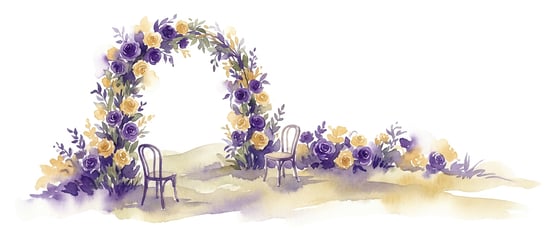
Molokai's wedding venue landscape is almost entirely defined by the outdoors and by private land. There are no hotel ballrooms, no wedding-dedicated event halls, and no vineyard tasting rooms in the way you would find on a more developed island. What exists instead is a collection of private ranch and agricultural properties on the island's west end and interior, vacation rental estates with lanai or garden space suitable for a ceremony and gathering, and public natural areas including beach accesses and state land where permitted ceremonies can take place. The west end's dry, open terrain with sweeping ocean views is particularly popular for ceremonies, and the south coast near the small town of Kaunakakai offers a quieter, more local setting with access to the island's calm, shallow harbor waters.
Couples should know that venues here often require more creative configuration than a traditional wedding property. You may be renting a working ranch or a family estate rather than a purpose-built event space, which means you will need to think carefully about power access for a sound system, bathroom facilities for guests, parking, and shade during daytime ceremonies. These details are manageable, but they require conversation with your venue contact well in advance. A local coordinator who knows the specific properties is invaluable for navigating this, and many of Molokai's best ceremony spots are genuinely stunning precisely because they have not been over-produced.
Planning Timeline for Molokai
Given how small Molokai's vendor pool is, the planning timeline here is less about competition from other couples and more about basic availability. Private properties that host weddings often have only one or two dates per month they are willing to open to events, and sought-after photographers who travel to Molokai from other islands book those trips around their own schedules. For a wedding on Molokai, starting your search 12 to 18 months out is strongly advisable, particularly if you are targeting a spring or early summer date. If you are planning a smaller intimate ceremony with 20 or fewer guests and flexible dates, you may be able to pull something together in six to nine months, but you will have fewer vendor choices and may need to make compromises on your first preferences.
Marriage License Requirements in Hawaii
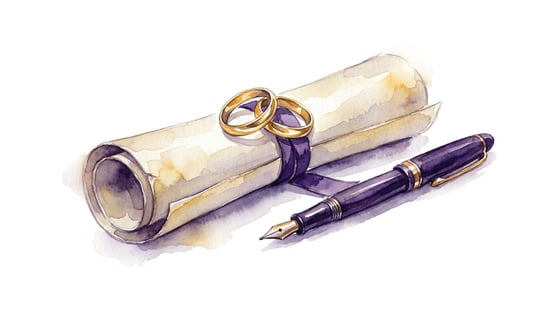
Hawaii makes the marriage license process straightforward for couples regardless of where they live. You apply through the Hawaii Department of Health, either online or through an authorized marriage license agent on the island, and there is no waiting period once your license is issued, meaning you can marry the same day if needed. The fee is $65, the license is valid for 30 days from the date of issuance, and you must both be at least 18 years old with a valid government-issued photo ID. No Hawaii residency is required, which is good news for mainland couples. On Molokai specifically, access to a license agent may require some advance coordination since the island has limited government services compared to Oahu or Maui, so confirm agent availability before you finalize your wedding date.
Marriage license requirements change. Confirm the current requirements with the Department of Health before applying.
Local Tips Couples Wish They Knew
The single most important logistical reality on Molokai is that almost everything has to be brought in. Food, florals, most rental equipment, and many vendors will come by plane or ferry from Maui or Oahu, and that means your wedding timeline is partly dictated by flight and cargo schedules. Build extra buffer into your vendor arrival plan, because a delayed inter-island flight on the morning of your wedding is not a hypothetical risk, it is something local coordinators prepare for routinely. Having a day-of coordinator who lives on or regularly works on Molokai is genuinely useful in a way it might not be in a city with abundant backup options.
Also be aware that Molokai's community is close-knit and has a strong cultural identity centered on Hawaiian values and a deliberate resistance to over-development. Couples who approach the island with respect for that ethos, who take time to learn a little about the place they are marrying in and who choose vendors with genuine island connections, tend to have a much richer experience than those who treat it as a backdrop. If you plan to hold any part of your celebration on or near sacred or culturally significant land, including near ancient fishponds or heiau sites, consult with a local cultural practitioner about appropriate protocols. This is not a bureaucratic step, it is simply the right way to honor where you are.
Frequently Asked Questions
Venues
Find Wedding Venues in Molokai
Vendors
Find Wedding Vendors in Molokai
Get Started
Start Planning Your Molokai Wedding