
Getting Married in Aurora, Illinois
Aurora blends Chicago's urban energy with the Fox River Valley's charm, giving couples a genuinely versatile backdrop for their wedding day.
Overview

Aurora sits about 40 miles west of Chicago along the Fox River, and that geography shapes everything about wedding planning here. The city is Illinois's second-largest, which means you have access to a real diversity of venues, caterers, and creative vendors without paying Chicago's downtown premium prices. Couples who grew up in the western suburbs often choose Aurora as their home base for celebrations, and the city's mix of historic architecture, riverside settings, and newer event spaces gives local weddings a distinct character that doesn't feel like a generic suburban affair.
What surprises most couples planning here is how much of the vendor ecosystem orbits both Aurora and the broader Chicagoland market simultaneously. A photographer or florist based in Aurora likely shoots weddings in Naperville, Geneva, and the city proper, which means you're drawing from a competitive and experienced talent pool. The flip side is that popular summer and fall weekends fill up faster than couples expect for a city of this size. Because Aurora straddles Kane and DuPage counties, your venue's county location will matter for practical planning reasons, including where you obtain your marriage license. Getting oriented to those county boundaries early will save you confusion later.
What a Wedding Costs in Aurora

Average Wedding Cost
$18,000 to $42,000
Estimated all-in cost for a typical wedding in Aurora.
Budget
Under $15,000 in Aurora is achievable but requires trade-offs and deliberate choices. At this level, you're looking at an intimate guest list in the range of 40 to 75 people, a non-Saturday ceremony date, and a venue that may be a community event space, a restaurant's private dining room, or a park pavilion with a permit. Catering at this budget is most realistic as a heavy appetizer or buffet-style spread from a regional caterer rather than a plated dinner service. Photography would come from a newer professional building their portfolio or a second shooter working independently. DIY flowers, a grocery store bakery cake, and a curated Spotify playlist instead of a live band or DJ are common choices at this tier.
Mid-Range
The $15,000 to $40,000 range is where most Aurora-area couples land, and it buys a genuinely full wedding experience. A guest count of 80 to 150 is comfortable here, with venue options expanding to include historic properties along the Fox River, dedicated event venues in the Aurora corridor, and hotel ballroom spaces in nearby communities. Catering at this level supports a sit-down dinner with a choice of two entrees or a high-end buffet, and you can include an open bar without it blowing the budget. Mid-range couples in this market typically hire an experienced local photographer with a solid portfolio, a DJ, a florist for ceremony and reception flowers, and a professionally baked tiered cake.
Luxury
Above $40,000, Aurora-area couples gain access to the full range of the regional wedding market. Venues at this level include upscale event facilities, restored historic properties with full in-house catering, and private estates or club venues in the broader Fox Valley. Guest counts of 150 to 250 or more are feasible, and the catering shifts to multi-course plated dinners with premium bar packages including craft cocktails and wine pairings. At this budget, couples typically hire a full-service wedding planner or coordinator, a lead photographer plus a second shooter, videography, live music for the cocktail hour or ceremony, elaborate floral design, custom stationery, and professional hair and makeup for the entire wedding party.
Best Time to Get Married in Aurora

Late May through early October is the heart of wedding season in Aurora, with June, September, and early October being the most requested months. September and early October offer a compelling combination: temperatures typically stay in the comfortable 60s and low 70s, fall foliage begins to appear along the Fox River, and the intense summer humidity has broken. June is beautiful but carries a real risk of thunderstorms that develop quickly across the Illinois flatlands, so outdoor ceremonies in that month should always have a hard indoor backup plan arranged in advance, not just a tent.
July and August are fully viable but come with heat and humidity that can feel oppressive during an outdoor ceremony, particularly on riverside or open-lawn properties where there is little shade. Couples who book a January through March wedding in Aurora can see meaningful savings of 15 to 25 percent on venue rental fees and often find vendors with more flexible schedules, though you should plan around realistic expectations for snow and cold. The Fox River area can be genuinely beautiful in light snow, and some couples specifically target late November or early December for that atmosphere, particularly at venues with large windows or covered outdoor spaces.
Venue Types in Aurora
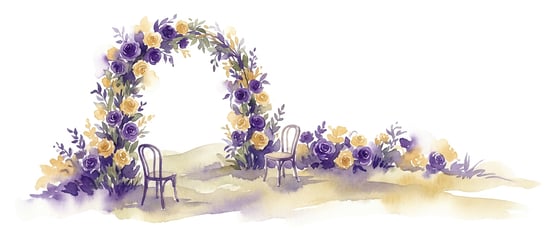
Aurora's position along the Fox River is its most distinctive geographic asset, and several event venues take direct advantage of riverside views and waterfront settings that you simply won't find in landlocked suburban communities nearby. Beyond the river, the city's historic downtown has a cluster of repurposed industrial and commercial buildings that have been converted into event spaces, giving weddings a loft-style or exposed-brick aesthetic that feels urban without requiring a trip into Chicago. Hotel properties in and around Aurora also offer ballroom-style receptions with built-in catering infrastructure and room blocks for out-of-town guests, which simplifies logistics considerably.
Because Aurora is surrounded by the broader Fox Valley, couples willing to travel 15 to 30 minutes can reach barn and farm venues in the rural edges of Kane and Kendall counties, as well as garden-style properties that lean heavily on outdoor ceremony spaces. What is notably scarce in Aurora itself, compared to Chicago's core, is the rooftop venue. True elevated skyline views with open rooftop event space are limited in this market, so couples prioritizing that aesthetic typically look toward downtown Chicago instead. Parks along the Fox River offer ceremony-only outdoor options with permit requirements managed through the City of Aurora Parks, Recreation and Cultural Services department, which is worth contacting early if a public outdoor ceremony is part of your vision.
Planning Timeline for Aurora
For an Aurora wedding on a peak-season Saturday in June, September, or October, 12 to 14 months of lead time is a practical target, not a luxury. The most sought-after venues in the Fox Valley corridor book those dates 12 to 18 months in advance, and because Aurora-area vendors also serve Chicago and the North Shore market, popular photographers and caterers have equally competitive calendars. If you are planning a Sunday wedding, a Friday evening event, or a date between November and April, you can realistically work within a 9 to 12 month window without feeling rushed. Couples who are starting 6 months out should prioritize locking in the venue and caterer immediately before turning to other vendors, since those two decisions drive almost every other logistical choice.
Marriage License Requirements in Illinois
To get married in Illinois, you and your partner will apply for your marriage license at the County Clerk's office in the county where your ceremony will take place. If your venue is in Kane County, you go to the Kane County Clerk; if it is in DuPage County, you go to the DuPage County Clerk. Illinois requires a 24-hour waiting period after the license is issued before your ceremony can legally take place, so do not apply the day before your wedding. The license is valid for 60 days from the date of issue, and fees range from $60 to $75 depending on the county. Both applicants need to appear in person with valid government-issued photo ID. No residency requirement applies, so couples coming from out of state are welcome to marry here.
Marriage license requirements change. Confirm the current requirements with the County Clerk before applying.
Local Tips Couples Wish They Knew
One thing local planners consistently flag is the traffic pattern around Aurora on Friday evenings, particularly on Illinois Route 59 and I-88. If your ceremony starts at 5 or 6 p.m. on a Friday, guests driving from Chicago's western suburbs during rush hour will face significant delays. Building at least a 30-minute buffer into your timeline and sending guests a detailed driving route that avoids the worst interchange congestion can prevent the ceremony from starting with half your guests still in the car. This is especially relevant if you are hosting out-of-town guests at hotels near the I-88 corridor who are unfamiliar with local patterns.
For outdoor ceremonies in Aurora's public parks, you will need to coordinate with the city's parks department well in advance, as permits for exclusive use of shelter areas or lawn spaces require lead time and have capacity and setup limitations. Aurora is also positioned in a region of Illinois that sees genuine tornado-season weather from late April through June, and local vendors take weather contingency planning seriously. Any outdoor venue contract you sign should spell out the venue's rain and severe weather plan in explicit detail, and your own day-of coordinator should have a communication tree ready to inform guests of location changes within minutes if needed. Couples who learn this the hard way are the ones who assumed a tent was a sufficient backup and discovered that a tent provides no protection when storm conditions escalate.
Frequently Asked Questions

Venues
Find Wedding Venues in Aurora
Vendors
Find Wedding Vendors in Aurora
Get Started
Start Planning Your Aurora Wedding