
Getting Married in Baton Rouge, Louisiana
Baton Rouge blends Southern elegance, Creole soul, and bayou beauty into a wedding destination unlike anywhere else in America.

Overview

Baton Rouge occupies a genuinely special place in the Louisiana wedding landscape. It sits at the crossroads of Deep South tradition and Cajun-Creole culture, which means your wedding can feel like a grand plantation affair, a lively second-line celebration, or something beautifully in between. The city lines the eastern bank of the Mississippi River, and that waterfront geography shapes everything from the light that photographers love to the venues built to take advantage of sweeping river views. Unlike New Orleans, which draws enormous destination wedding traffic, Baton Rouge operates primarily as a local and regional market, which tends to mean more attentive vendor relationships and a community of wedding professionals who have grown up celebrating together.
What surprises many couples is how deeply food culture is woven into wedding expectations here. Baton Rouge guests arrive with opinions about the boudin, the crawfish étouffée, and whether the pralines at the dessert table are homemade. The catering conversation is not just about budget, it is about identity and pride. You will also discover that the city has a strong university presence thanks to LSU, which affects venue availability dramatically around home football Saturdays in the fall. A date that looks open on a generic calendar can conflict with a home game and leave you competing for hotel room blocks, shuttle availability, and vendor attention all at once.
What a Wedding Costs in Baton Rouge

Average Wedding Cost
$18,000 to $42,000
Estimated all-in cost for a typical wedding in Baton Rouge.
Budget
Under $15,000 in Baton Rouge is achievable but requires prioritization. At this level, couples typically host 50 to 80 guests at a community hall, a restored church fellowship space, or a family property with a tent rental. Catering leans toward a heavy appetizer reception, a po-boy or barbecue buffet, or a partnership with a local restaurant for drop-off service rather than full staffing. Photography is handled by a newer professional building their portfolio, and the couple handles most of their own florals using grocery store blooms or dried arrangements. A small wedding cake or cupcake tower from a local bakery keeps dessert costs manageable. DIY decor from local antique shops along Government Street can produce a genuinely beautiful aesthetic at this tier.
Mid-Range
The $15,000 to $40,000 range is where the majority of Baton Rouge weddings land, and it is a range that buys a genuinely comfortable celebration. Couples at this level typically host 100 to 175 guests at a historic property, a plantation-style venue outside the city, a boutique hotel ballroom, or a garden estate. Catering usually means a seated dinner or abundant Creole-style buffet with full staffing, a signature cocktail hour with passed appetizers, and a wedding cake from a dedicated bakery. Photography and videography are both covered by established local professionals. A day-of coordinator or partial planning package is realistic here, which locals strongly recommend given how much the culture-specific logistics of a Louisiana wedding can differ from what national planning guides describe.
Luxury
Above $40,000, Baton Rouge weddings expand in guest count, design ambition, and culinary experience. At this level, couples host 150 to 300 or more guests at premier river-view venues, grand antebellum estates, or fully transformed outdoor properties with professional tent structures, climate control, and custom lighting. Full-service catering with a Cajun or Creole tasting menu, a raw bar, a late-night snack station featuring local favorites, and a custom multi-tiered cake is standard. Couples at this tier typically hire a full-service wedding planner, a separate florist with a substantial design budget, a live band or brass ensemble for the reception, and a photo and video team with multiple shooters. Transportation fleets, welcome party dinners, and curated farewell brunches are common additions.
Best Time to Get Married in Baton Rouge

The sweet spot for outdoor and semi-outdoor weddings in Baton Rouge is the window from mid-October through late November and again from late March through early May. During these months, daytime temperatures sit comfortably between the low 60s and low 80s Fahrenheit, humidity drops to a level that feels genuinely pleasant, and the light takes on a golden quality that photographers specifically seek out. The live oaks hold their canopy through winter and the azaleas bloom spectacularly in March, giving spring weddings a natural color palette that is hard to replicate anywhere else.
Summer weddings in Baton Rouge require honest planning. June through September brings heat indexes that regularly climb past 100 degrees Fahrenheit, afternoon thunderstorms that can arrive within minutes, and humidity that is hard on both guests and flowers. Couples who marry in summer typically move ceremonies to 5 p.m. or later, invest in tent cooling systems or fully air-conditioned spaces, and plan ceremony lengths under 25 minutes if any portion is outdoors. Winter from December through February is mild by national standards, rarely dipping below freezing, and it offers significant cost advantages since it falls outside peak demand. The one caveat is that December dates close to the holidays book up surprisingly early because so many guests are already in town visiting family.
Venue Types in Baton Rouge

The most distinctive venue category in the Baton Rouge region is the antebellum plantation estate, several of which operate as event spaces along the River Road corridor that runs between Baton Rouge and New Orleans. These properties offer sweeping alley oaks, grand architecture, and grounds that photograph unlike anything a ballroom can produce. Within the city limits, couples find a range of historic buildings including renovated warehouses in the arts district, mid-century civic spaces, garden estates in the older neighborhoods, and hotel ballrooms attached to full-service properties that make out-of-town guest logistics much simpler. The Mississippi River itself is a backdrop that riverside venues capitalize on, and rooftop spaces in the downtown area have grown in popularity for smaller, more intimate weddings.
Baton Rouge is not especially rich in the barn-and-vineyard category that dominates markets in other parts of the country, though rustic farm properties do exist in the surrounding parishes and across the Atchafalaya Basin area to the west. Outdoor garden venues are abundant and range from public botanical spaces to private estates, but every outdoor venue here should be evaluated with a rain plan that is not an afterthought. Covered pavilions, adjacent indoor spaces, and tent infrastructure are standard expectations among local planners. Museum spaces, university properties, and restored civic buildings add a layer of cultural depth that couples who want a uniquely Louisianan feel often gravitate toward.
Planning Timeline for Baton Rouge

Baton Rouge sits in a mid-sized market with a tight but deeply connected vendor community, which means the best professionals book faster than you might expect for a city of its size. For a Saturday wedding during peak season, which runs from October through November and March through May, start reaching out to venues and photographers 12 to 14 months in advance. Popular catering companies and live bands, particularly those with Zydeco or brass band experience, often fill their calendars 10 to 12 months out. If your date falls on or near an LSU home football Saturday, add an extra two to three months of lead time to everything, including your hotel room block, because the entire city's hospitality infrastructure competes for the same inventory. For weekday or Sunday weddings, or for dates in the slower winter and summer months, a 6 to 9 month timeline is workable, though earlier is always better when you have a non-negotiable venue in mind.
Marriage License Requirements in Louisiana
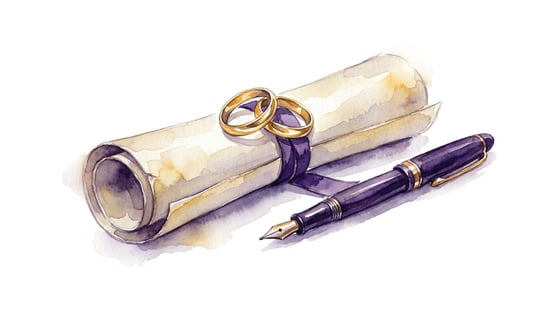
To get married in Louisiana, you will apply for your marriage license through the Clerk of Court for the parish where you plan to marry. Both partners need to appear in person and bring a government-issued photo ID and a certified birth certificate for each person. The fee ranges from $27 to $50 depending on the parish. Louisiana law requires a 24-hour waiting period between the time the license is issued and the time of your ceremony, though a judge or justice of the peace can waive that waiting period if your circumstances require it. Once issued, the license is valid for 30 days, so you should apply no more than a few weeks before your wedding date rather than months in advance. You do not need to be a Louisiana resident to marry here, which makes the process straightforward for out-of-town couples and destination weddings alike.
Marriage license requirements change. Confirm the current requirements with the Clerk of Court for the parish before applying.
Local Tips Couples Wish They Knew

One thing Baton Rouge couples learn quickly is that traffic on a Saturday evening is genuinely unpredictable, particularly around the interstate corridors near the river bridge. If your ceremony and reception are at different locations, build at least 30 to 40 minutes of buffer into your timeline for guest travel, and consider providing a shuttle rather than relying on guests to self-navigate. Wedding guests who come from out of town frequently underestimate how spread out the metro area is, and a ceremony that ends at 5 p.m. near LSU and a reception that starts at 6 p.m. downtown can feel stressful without a clear transit plan in place. Confirming parking availability and communicating it explicitly in your invitation suite is something locals treat as essential rather than optional.
For couples planning outdoor ceremonies in public parks or along the riverfront, connecting with the relevant city or parish parks department well in advance is important because permit requirements and processes vary by location and event size. Plan your weather contingency with the same level of care you give your primary plan, because a pop-up afternoon storm in Louisiana can develop in under an hour during warm months. Local vendors are accustomed to pivoting quickly, and the best ones will have tents, side walls, and indoor backup options already discussed with you before the day arrives. One cultural note worth knowing: Louisiana wedding receptions often run later than couples from other states expect, and guests frequently plan for a celebration that extends well past 10 p.m., so aligning your venue rental end time with realistic Louisiana party expectations before you sign a contract will save you from an awkward negotiation on your wedding night.
Frequently Asked Questions

Venues
Find Wedding Venues in Baton Rouge
Vendors
Find Wedding Vendors in Baton Rouge
Get Started
Start Planning Your Baton Rouge Wedding