
Getting Married in Allentown, Pennsylvania
Allentown blends Lehigh Valley charm, historic architecture, and easy regional access into a wedding destination that feels both rooted and refined.
Overview
Allentown sits at the heart of the Lehigh Valley, a region that has quietly built one of Pennsylvania's most well-rounded wedding markets. The city itself offers an urban core with renovated industrial spaces, historic buildings, and a growing arts district, while the surrounding countryside delivers the rolling hills, working farms, and pastoral views that make the Lehigh Valley feel distinctly different from Philadelphia or Pittsburgh. Couples planning here quickly discover that they can have a barn ceremony, a downtown reception, and a vineyard rehearsal dinner all within a thirty-minute drive of each other, which is a rare combination for a mid-sized Pennsylvania city.
The local wedding market is primarily driven by couples from the Lehigh Valley itself, plus significant overflow from the Philadelphia suburbs and northern New Jersey, where venue prices tend to run higher and availability is tighter. That regional draw means Allentown vendors are experienced and busy, but the market has not yet tipped into the kind of demand that makes booking feel frantic a year and a half out for most dates. What surprises many newly engaged couples is how much the vendor community here overlaps and refers to one another. A florist in Allentown likely knows your photographer, your caterer knows your venue coordinator, and that interconnectedness generally works in your favor when you need a last-minute recommendation or a vendor substitution.
What a Wedding Costs in Allentown

Average Wedding Cost
$18,000 to $38,000
Estimated all-in cost for a typical wedding in Allentown.
Budget
Under $15,000 in Allentown is achievable but requires flexibility on the day of the week, the time of day, and the venue type. At this budget, couples typically work with a community hall, a public park shelter with a permit, a restaurant private dining room, or a smaller event space that does not have a full-service catering minimum. Guest counts in the 40-to-60 range are realistic. Photography at this level will likely come from a newer photographer building their portfolio, and catering will lean toward buffet-style, heavy appetizers, or a brunch or lunch reception rather than a plated dinner. DIY florals, a grocery store or wholesale market cake, and a playlist rather than a live band or DJ are common choices. It can absolutely feel personal and beautiful, but it requires more hands-on coordination from the couple.
Mid-Range
The $15,000 to $40,000 range is where most Allentown-area weddings land, and this budget unlocks a wide variety of venue types including barn and farm properties, historic mansion estates, boutique hotel ballrooms, and renovated industrial event spaces. A guest count of 100 to 150 is comfortable in this range. Couples can expect a professional DJ or a small live ensemble, a mid-tier photographer with a second shooter for part of the day, a catered plated or family-style dinner, a proper wedding cake, and a professional florist for ceremony and reception arrangements. Coordination services, whether a day-of coordinator or a partial-planning package, are feasible within this budget and are well worth prioritizing in this market.
Luxury
Above $40,000, the Lehigh Valley wedding experience expands significantly. At this level, couples can book a full buyout of a historic estate or a high-end vineyard venue, bring in a full-service wedding planner, commission a live band for the reception, and invest in elevated catering with multiple courses and a premium open bar. Guest counts of 175 to 250 are typical. Photography and videography packages at this tier cover full-day coverage with cinematic editing, and florals become a genuine design feature rather than a finishing touch. Some couples in this range bring in specialty lighting designers, custom stationery suites, or late-night food stations. Because Allentown sits close enough to Philadelphia, some couples in this budget also draw on Philadelphia-based vendors who serve the Lehigh Valley market regularly.
Best Time to Get Married in Allentown

The Lehigh Valley experiences four genuinely distinct seasons, and that shapes wedding timing in meaningful ways. Late spring, specifically late May through early June, and early fall, from mid-September through mid-October, are considered the sweet spots by local couples and vendors alike. Temperatures in those windows tend to sit between the mid-60s and low 80s, the foliage is either lush or beginning its color turn, and afternoon thunderstorms are less frequent than in peak summer. July and August can be beautiful but carry real humidity and the occasional severe afternoon storm that rolls off the Blue Mountain ridge with little warning, which matters a great deal if any part of your ceremony is outdoors.
Peak season in this market runs roughly from late April through October, with the highest concentration of bookings falling on Saturday evenings in September and October. Winter weddings in Allentown are genuinely underutilized, and couples who choose January through March often find more vendor availability, more negotiating room on pricing, and an intimate atmosphere that warmer-month events rarely achieve. Snow is possible from December through March, so if you go that route, build a weather contingency into every outdoor element and confirm your venue has adequate heated indoor backup space. One thing locals know that guidebooks tend to skip: the Lehigh Valley's leaf season peaks about a week earlier than the Pocono Mountains to the north, so mid-October here can offer spectacular color without the drive.
Venue Types in Allentown
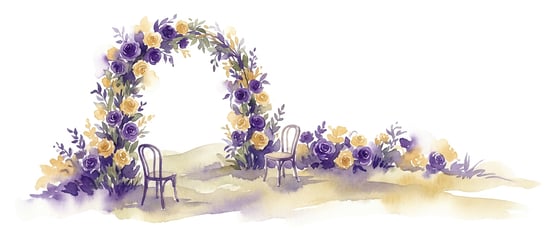
Allentown's venue landscape reflects both its urban character and its proximity to the Lehigh Valley countryside. Within the city and its immediate suburbs, you will find renovated warehouses and loft spaces that work well for couples who want an industrial-chic aesthetic, boutique hotel ballrooms that handle ceremony and reception under one roof, and historic civic buildings with high ceilings and period architecture that photograph beautifully. The city's arts district has also produced a handful of gallery-style event spaces that are smaller but visually distinctive. These urban venues tend to be well-suited for guest counts of 80 to 200 and offer the logistical advantage of walkability and hotel room proximity for guests.
Drive 20 to 40 minutes outside the city in almost any direction and the venue character shifts entirely. The farmland and rolling terrain surrounding the Lehigh Valley supports a strong collection of barn and farm venues, several working wineries along the Lehigh Valley Wine Trail, and a number of private estate properties that host weddings on manicured grounds with mountain views as a backdrop. Outdoor ceremonies at these properties can be genuinely breathtaking, particularly in the fall, but they almost always require a well-thought-out rain plan since there are no permanent structures nearby to retreat to. One category that is relatively scarce in this market compared to larger metro areas is the high-rise rooftop or skyline venue, so couples specifically drawn to that aesthetic may find their choices more limited here than they expect.
Planning Timeline for Allentown
In Allentown and the broader Lehigh Valley, most popular venues book Saturday dates between 12 and 18 months in advance for the peak fall season, particularly September and October. If your heart is set on a specific barn property, historic estate, or vineyard venue on a Saturday evening in autumn, starting your venue search 14 to 16 months out is a reasonable target. For spring dates or Friday and Sunday events, you often have more breathing room, and 10 to 12 months is generally sufficient. Once your venue is locked, your photographer and caterer should follow within a month or two, as the best local professionals in each category can fill their calendars well before the wedding date arrives. Couples who begin planning in the 6-to-9-month window are not without options, especially for off-peak seasons, but they should expect less flexibility on venue style and vendor availability and should move quickly once they start reaching out.
Marriage License Requirements in Pennsylvania
To get married in Pennsylvania, you and your partner will apply for your marriage license at the Marriage License Bureau through the Clerk of the Orphans' Court and Register of Wills in the county where you plan to marry, which for most Allentown couples means Lehigh County. Pennsylvania does not require either of you to be a state resident, so out-of-town couples can apply without any additional steps. You will both need to appear in person, bring a valid government-issued photo ID, and pay a fee that typically ranges from $50 to $90 depending on the county. After you apply, Pennsylvania requires a 72-hour waiting period before the license becomes valid, so plan to apply at least four or five days before your ceremony to give yourself a comfortable buffer. The license is valid for 60 days from the date it becomes effective, meaning you need to have your ceremony within that window. Pennsylvania also offers self-uniting licenses, a Quaker-rooted tradition that allows couples to marry without an officiant, which is a genuinely unique option that many couples are surprised to learn still exists.
Marriage license requirements change. Confirm the current requirements with the Clerk of the Orphans' Court / Register of Wills before applying.
Local Tips Couples Wish They Knew
One thing Allentown couples consistently wish someone had told them earlier is how significantly traffic patterns on Friday evenings can affect vendor arrival times and guest punctuality. Route 22, which runs through the heart of the Lehigh Valley, experiences heavy commuter congestion between 4 and 6:30 p.m. on weekdays, and that window overlaps directly with vendor load-in and guest arrival for a 5 or 6 p.m. Friday ceremony. If you are planning a Friday evening event, factor in an extra 30 to 45 minutes in your timeline and communicate arrival windows clearly on your invitations. For outdoor ceremonies in Allentown's public parks, you will need to contact the city's parks and recreation department well in advance to secure the appropriate permit, and those permits have limited availability during peak weekend dates, so do not assume the space is available simply because it looks open.
The Lehigh Valley's weather can shift quickly in spring and fall, and local vendors take weather backup planning more seriously than vendors in more temperate markets. When you tour outdoor-ceremony venues, ask specifically where guests and the wedding party will go if there is lightning within five miles, how long it takes to transition to the backup space, and who is responsible for making that call on the day. Also worth knowing: the local vendor community here tends to be collaborative rather than territorial, which means that if you ask your venue coordinator for honest recommendations, you are likely to get them. Many Allentown-area wedding planners maintain working relationships with venues throughout both the city and the surrounding valley, and their knowledge of which properties are genuinely well-run versus which ones look better in photos than they function in practice is worth tapping early in your search.
Frequently Asked Questions

Venues
Find Wedding Venues in Allentown
Vendors
Find Wedding Vendors in Allentown
Get Started
Start Planning Your Allentown Wedding